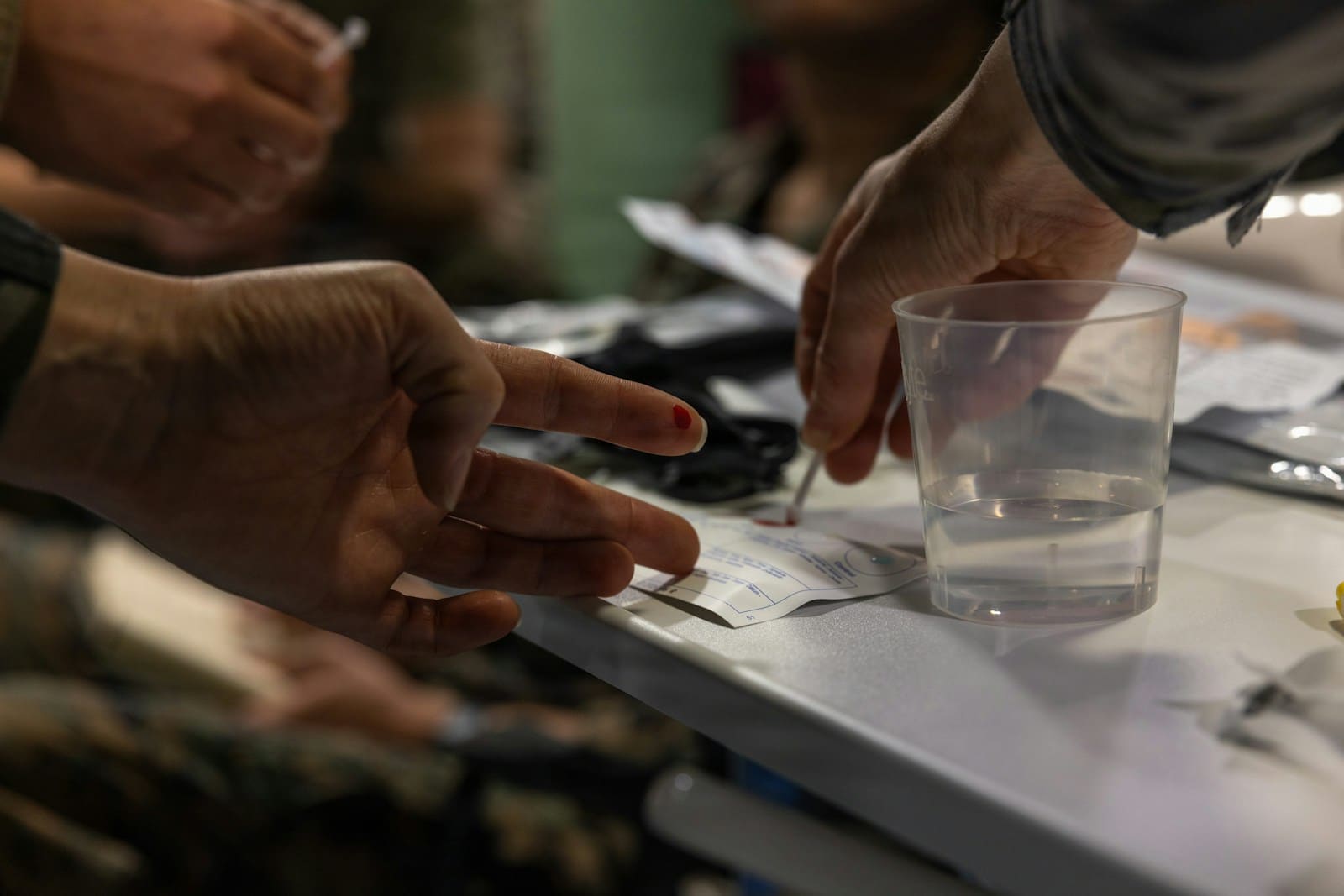
An HIV test in Pattaya is quick, confidential and the first step before anyone can start PrEP. A rapid finger-prick test usually gives a result in 15–20 minutes, while a laboratory blood test can pick up a recent infection earlier. If you plan to take PrEP, you will test before you start and then roughly every three months while you stay on it.
This guide looks at HIV testing from the PrEP side: which test fits your timing, why the result matters so much, and what happens next whatever it shows.
Why PrEP always starts with an HIV test
PrEP is a prevention medicine for people who do not have HIV. The pills contain two HIV medicines, which is enough to block a new infection but not enough to treat an existing one.
If someone already has HIV and takes PrEP alone, the virus can learn to resist those medicines. That could limit their treatment options later. So a negative HIV test is the gate you pass through before your first PrEP pill, and it is part of every PrEP start in Pattaya.
The same test also gives you a clear starting point. You know your status today, and every later result can be compared with it.
Rapid test or lab test: which HIV test is right?
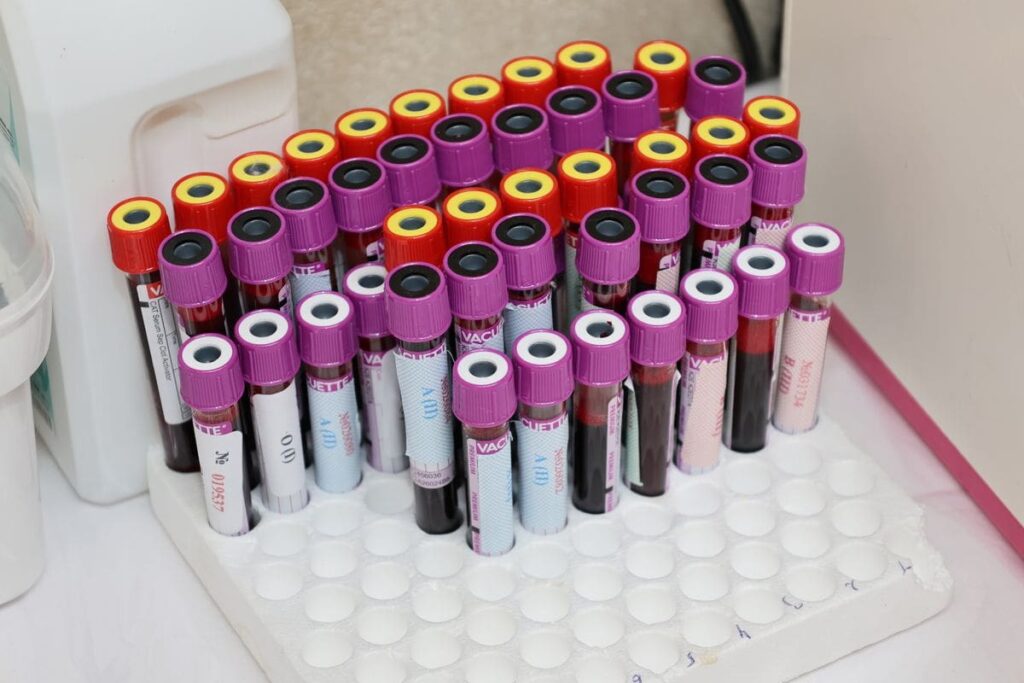
There are a few kinds of HIV test, and they look for different things. The right one depends mostly on when your last possible exposure happened.
HIV test types at a glance
| Test | What it looks for | Sample | Best used when |
|---|---|---|---|
| Rapid antibody test | Antibodies to HIV | Finger-prick | Last risk was some weeks ago |
| 4th-generation lab test | Antibodies plus the p24 protein | Arm blood draw | Starting PrEP after a recent risk |
| NAT / viral load | Genetic material of HIV | Arm blood draw | Unclear results or very early symptoms |
| Self-test kit | Antibodies to HIV | Mouth swab or finger-prick | Private check, never for starting PrEP |
For starting PrEP, many doctors prefer a 4th-generation lab test because it spots infection sooner than antibody-only tests. A rapid test can still be useful at the same visit, especially when your last risk was a while ago.
A doctor will assess your situation and suggest the test that matches your history.
Window periods: the "recent risk" problem
Every HIV test has a window period. This is the time between catching HIV and the test being able to see it.
According to UNAIDS guidance on HIV testing, the most sensitive tests have a window of about three weeks, and less sensitive tests take longer. That is why a negative result the morning after a risky night does not tell you much about that night.
What this means when you want to start PrEP
If your last condomless sex was within the past few weeks, a doctor may still start PrEP the same day. You would then come back for a repeat HIV test about four weeks later, to catch anything that was too early to show.
Tell the doctor about any flu-like illness, fever, rash or sore throat in the last month. These can be signs of a very new infection, and they may change which test is used.
If the risk happened within the last 72 hours, the order changes completely. If you may have been exposed in the last 72 hours, you need PEP, not PrEP, and you can move onto PrEP after the PEP course.
Testing while you are on PrEP
Once you start, HIV testing becomes a regular habit. Each follow-up visit includes a fresh HIV test before your next supply, plus checks that keep the medicine safe for you.
Your PrEP testing schedule
| When | HIV test | Other checks |
|---|---|---|
| Before your first pill | Yes | Kidney function, hepatitis B, STI screen |
| About 4 weeks in (after a recent risk) | Yes | Usually none |
| Every 3 months | Yes | Kidney function as advised, STI screen |
| After a gap or restart | Yes | Depends on how long you stopped |
You can read exactly what each start-up check is for in our guide to the tests before starting PrEP.
Regular tests matter because no prevention method is perfect. If PrEP is taken irregularly, protection drops, and an early test keeps a problem small.
What happens if a result is reactive?
Most HIV tests come back negative. But it helps to know the plan before you test, so a reactive result does not feel like a dead end.
- It is not yet a diagnosis. A reactive screening result always needs a confirmatory lab test, because false reactive results do happen.
- PrEP is paused or adjusted. If HIV is confirmed, PrEP alone is no longer the right medicine, and you move to full HIV treatment.
- Treatment starts quickly. Modern HIV treatment is usually one pill a day and is widely available across Thailand.
- You get support and referral. You will be guided to ongoing HIV care, whether you live in Pattaya or are travelling home.
With treatment that keeps the virus undetectable, people living with HIV can expect a long, healthy life. They also cannot transmit HIV to sexual partners. This is known as U=U, undetectable equals untransmittable.
Getting an HIV test in Pattaya
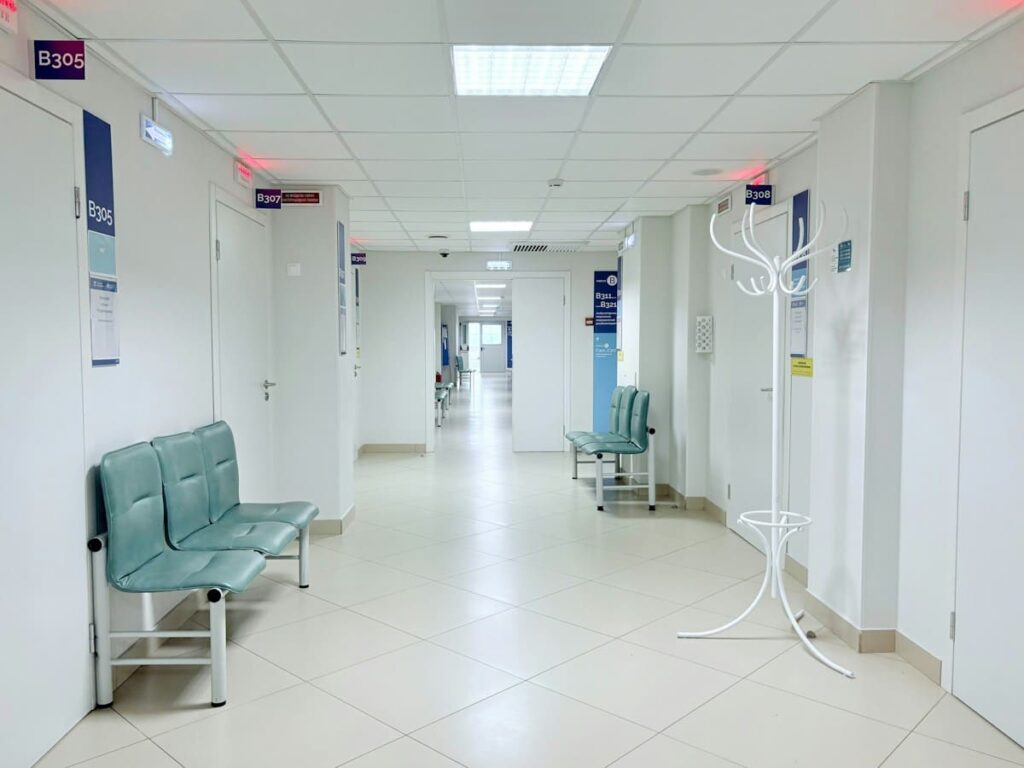
Pattaya has public hospitals, private clinics and laboratories, so testing is easy to find whether you stay in central Pattaya, Jomtien or Naklua. If your goal is PrEP, it makes sense to test where the result can lead straight into a prescription and a follow-up plan.
At HIV PrEP Pattaya, an HIV test is part of the PrEP start and every refill visit. Here is what to expect:
- A private chat about your recent history and what you want from PrEP
- The test that fits your timing, explained in plain English
- Your result, and a clear next step whatever it shows
- A follow-up plan built around your stay in Thailand
What you pay for an HIV test in Pattaya depends on which test you need and whether it is bundled with other checks. See our PrEP and testing costs for what affects the total. New to all this? Start with what PrEP is and how it works.

Visiting for a short time? Our guide to PrEP for travellers in Thailand explains how testing fits around a trip. The PrEP planner then shows the real dates when protection builds up after a negative test.
Frequently asked questions
How soon after sex can an HIV test show a result?
It depends on the test. The most sensitive lab tests can usually detect HIV from about three weeks, while antibody-only tests can take up to three months.
Is a rapid HIV test enough to start PrEP?
Sometimes, if your last risk was long enough ago. After a recent risk, a doctor will usually add a lab-based 4th-generation test and may repeat it about four weeks after you start.
Can I take an HIV self-test kit instead of a clinic test?
A self-test can be a useful private check, but it is not used to start PrEP. A clinic test is needed so the result can be confirmed and recorded with your other start-up checks.
Does PrEP affect HIV test results?
PrEP does not cause a false positive. In rare cases, if HIV is caught while taking PrEP, the medicine can make early tests harder to read, which is one reason regular testing matters.
What if I test positive while I am on holiday in Thailand?
You would have a confirmatory test first, then be guided to treatment and ongoing care. HIV treatment is widely available in Thailand, and care can continue when you go home.
Ready to test and start PrEP with a clear plan? Message us on LINE or WhatsApp and we will explain the next step. You can also browse the PrEP questions people ask most.