
For most people, PrEP and kidney health go together without problems. A minority see a small change in kidney function on blood tests, and this usually reverses if PrEP is stopped. That is why kidneys are checked before you start and at intervals afterwards, so any change is spotted long before you would feel it.
This guide goes beyond the basic start-up check. It explains what your kidney results mean, who needs closer monitoring, and what happens if a number moves.
Why PrEP and the kidneys are linked
Your kidneys filter waste from your blood and pass it out in urine. Tenofovir, one of the two medicines in PrEP, is removed from the body mainly this way.
As it passes through, tenofovir can put a little extra work on the tiny tubes inside the kidney. In most people the kidneys cope easily. In a small number, blood tests show a slight drop in filtering, usually in the first months, which often levels off.
Real kidney damage from PrEP is rare in healthy adults. It is seen mainly in people who already have kidney problems or who take other medicines that strain the kidneys. For the full list of start-up checks, see our guide to tests before starting PrEP.
Your PrEP kidney test results, in plain words
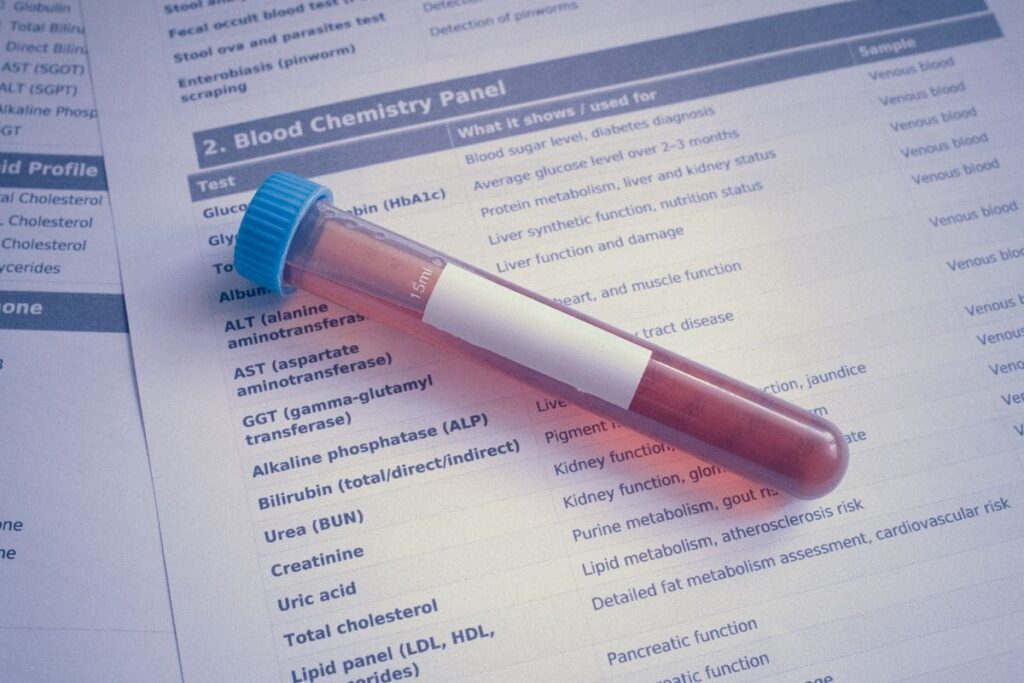
The PrEP kidney function test is a simple blood test, sometimes with a urine sample. You'll usually see two or three numbers on the report.
Creatinine
Creatinine is a waste product made by your muscles. Healthy kidneys clear it steadily, so the level in your blood stays fairly stable. If the kidneys filter less well, creatinine rises.
Creatinine also depends on how much muscle you have. A very muscular person can have a higher reading with perfectly healthy kidneys.
eGFR
eGFR stands for "estimated glomerular filtration rate". It is calculated from creatinine, age and sex, and estimates how much blood your kidneys clean each minute. Higher is better.
The National Kidney Foundation's guide to eGFR explains that an eGFR of 60 or more is in the normal range for most people, while a result below 60 for three months or more can point to kidney disease.
Urine protein
Some clinics also test urine for protein. Kidneys usually keep protein in the blood, so protein in urine can be an early sign that the filters are under strain.
What kidney results usually mean on PrEP
| eGFR result | What it usually means | What typically happens |
|---|---|---|
| 90 or above | Normal filtering | Routine checks continue |
| 60 to 89 | Normal or mildly reduced | Often fine; may be checked more often |
| Below 60 | Reduced filtering | Doctor reviews whether PrEP suits you |
| Sudden drop | Change worth checking | Repeat test, review medicines |
These bands are a guide only. A doctor will assess your situation and look at the trend over time, not one number.
Who is at higher risk of kidney changes?
Some people are more likely to see kidney changes on PrEP. Having one of these factors doesn't rule PrEP out, but it usually means more frequent checks.
- Being over about 50
- Existing kidney disease or a previous low eGFR
- High blood pressure
- Diabetes
- Regular use of anti-inflammatory painkillers (NSAIDs) such as ibuprofen, naproxen or diclofenac
- Some supplements and bodybuilding products, including anabolic steroids and certain herbal remedies
- Other medicines that affect the kidneys
Always tell the doctor about everything you take, including gym products and painkillers bought over the counter. For headaches, paracetamol is usually the gentler choice for the kidneys, but check with a pharmacist or doctor.
False alarms: when a kidney result isn't what it seems
Not every high creatinine means your kidneys are struggling. Several everyday things can push the number up for a short time:
- Creatine supplements, which the body turns into creatinine
- A very high-protein diet or a large meat meal before the test
- Hard training in the day or two before the sample
- Dehydration, common in hot weather or after drinking alcohol
If a result looks odd, a doctor will often ask you to repeat it after a few days of normal eating, good hydration and no heavy gym sessions. Many "bad" results come back normal the second time.
What happens if your kidney function changes
A change on a blood test is not an emergency in most cases. Here is what usually follows:
- Repeat the test to confirm the change is real.
- Review medicines and supplements that could be adding strain.
- Check other causes, such as blood pressure or dehydration.
- Decide on PrEP together. A doctor may continue with closer checks, pause PrEP, or discuss another prevention option.
Research shows that kidney changes linked to PrEP usually improve once it is stopped. Never stop on your own if you have hepatitis B, as stopping suddenly can cause a flare; our guide to PrEP and hepatitis B explains why.
PrEP kidney damage symptoms
Early kidney changes on PrEP almost never cause symptoms, which is why tests matter. Rare warning signs include passing much less urine, swollen ankles, or feeling very tired and unwell, and these need a doctor promptly. Back pain alone is rarely a kidney problem.
How often kidneys are checked over time
After the start-up test, kidney function is usually rechecked at follow-up visits. For many people that means every 6 to 12 months, and more often if you are older, have a risk factor, or a past result was borderline.
What matters most is the pattern across several tests. A doctor compares each new result with your starting point, so a small wobble is seen in context rather than as a cause for alarm. Keep a copy of your results if you move between clinics or countries.
Checks often line up with your PrEP refill visits in Pattaya, so you don't need extra trips. Kidney changes are only one possible effect, and our overview of PrEP side effects covers the rest.

Kidney checks with PrEP in Pattaya
Pattaya's heat makes good hydration important, especially before a blood test. Drink water as normal the day before, and mention any recent hard training or supplements.
Our page on getting PrEP in Pattaya walks through the first visit and follow-ups. For costs, see PrEP prices and what affects them.
Frequently asked questions
Can PrEP damage your kidneys?
Serious kidney damage is rare in healthy adults. A small, usually reversible change in kidney function is seen in a minority, which regular blood tests pick up early.
Is PrEP bad for your kidneys if you go to the gym?
Not usually, but creatine, high protein intake and hard training can raise creatinine. Tell the doctor, as a repeat test may be needed to get a true reading.
Does PrEP cause kidney stones?
Kidney stones are not a recognised side effect of PrEP. If you have pain or blood in your urine, see a doctor to find the cause.
Can I take ibuprofen while on PrEP?
Occasional use is usually fine for people with healthy kidneys. Regular or high-dose use adds strain, so ask a doctor or pharmacist first.
What eGFR is too low for PrEP?
Many guidelines suggest the most common PrEP pills are not used when kidney function falls below about 60. A doctor will look at your full results and decide.
Have a kidney result you'd like explained, or want to start PrEP safely? Message us on LINE or WhatsApp and we'll talk you through it. You can also browse our answers to common PrEP questions.