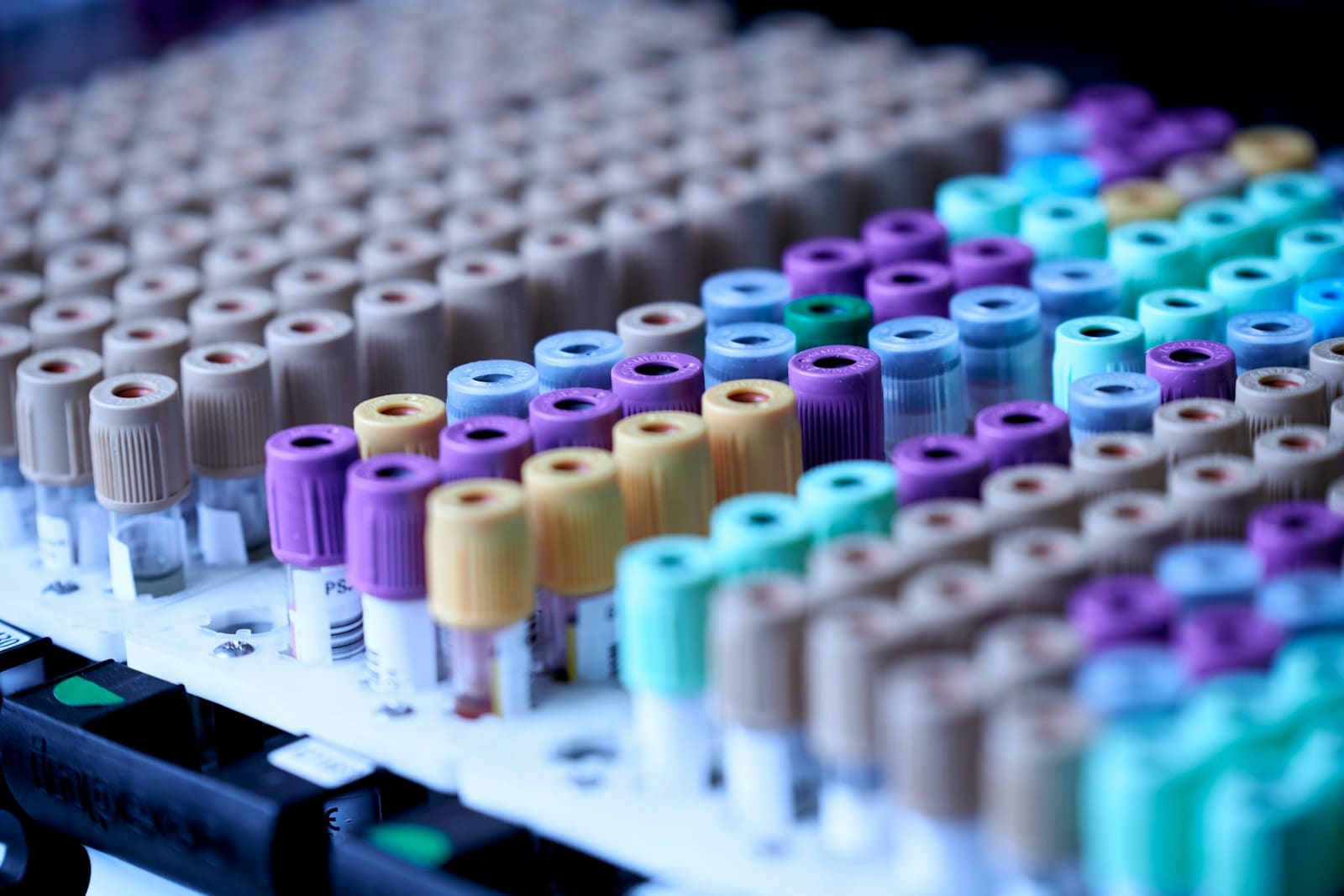
The tests before starting PrEP are an HIV test, a kidney function test and a hepatitis B test, and an STI screen is strongly recommended too. Together they confirm that PrEP is safe and suitable for you, and that it is the right medicine to start. Most of them come from one small blood sample, so the visit is quicker than many people expect.
Below, we explain what each test checks, why it matters, and how to get ready for your first visit.
The core tests at a glance
PrEP is a well-studied medicine, but it is still a medicine. A few checks at the start mean a doctor can prescribe it with confidence and spot anything that needs a different plan.
Start-up tests compared
| Test | What it checks | Sample | Required? |
|---|---|---|---|
| HIV test | That you do not have HIV now | Blood | Yes |
| Kidney function | How well your kidneys filter | Blood | Yes |
| Hepatitis B | Current or past hepatitis B | Blood | Yes |
| STI screen | Syphilis, gonorrhoea, chlamydia | Blood, urine, swabs | Recommended |
| Pregnancy test | Whether you are pregnant | Urine | If relevant |
These match international guidance. The BASHH/BHIVA guidelines on PrEP list HIV, kidney and hepatitis B testing as baseline checks, with sexual health screening alongside.
If you want the bigger picture first, read what PrEP is and how it works, then come back to the details.
What each test is for
Each check answers one simple question. Here is the reason behind every test, in plain words.
HIV test: making sure PrEP is the right medicine
PrEP is only for people who do not have HIV. If HIV were already present, PrEP alone would not treat it and the virus could become resistant to the medicines.
A 4th-generation lab test is often used because it picks up recent infection earlier. If you had condomless sex in the last few weeks, a doctor may ask you to repeat the HIV test about four weeks after starting. Our guide to HIV testing in Pattaya explains test types and window periods.
Kidney function: a safe baseline
The medicines in PrEP leave the body through the kidneys. A blood test measures creatinine and estimates how well your kidneys filter, often shown as eGFR.
Most people have normal results and nothing changes. If your kidneys work less well than usual, a doctor will talk through options and how often to recheck.
Hepatitis B: why it affects your PrEP choice
The two medicines in PrEP also act against hepatitis B. That is good news for protection, but it changes how PrEP must be taken.
- If you have hepatitis B, daily PrEP can still be an option, with extra monitoring.
- Stopping suddenly can cause hepatitis B to flare, so stopping is planned with a doctor.
- On-demand 2-1-1 PrEP is not suitable for people with hepatitis B.
- If you are not immune, vaccination is worth discussing.
STI screen: recommended, not required
PrEP protects against HIV only. It does not prevent syphilis, gonorrhoea, chlamydia or other STIs.
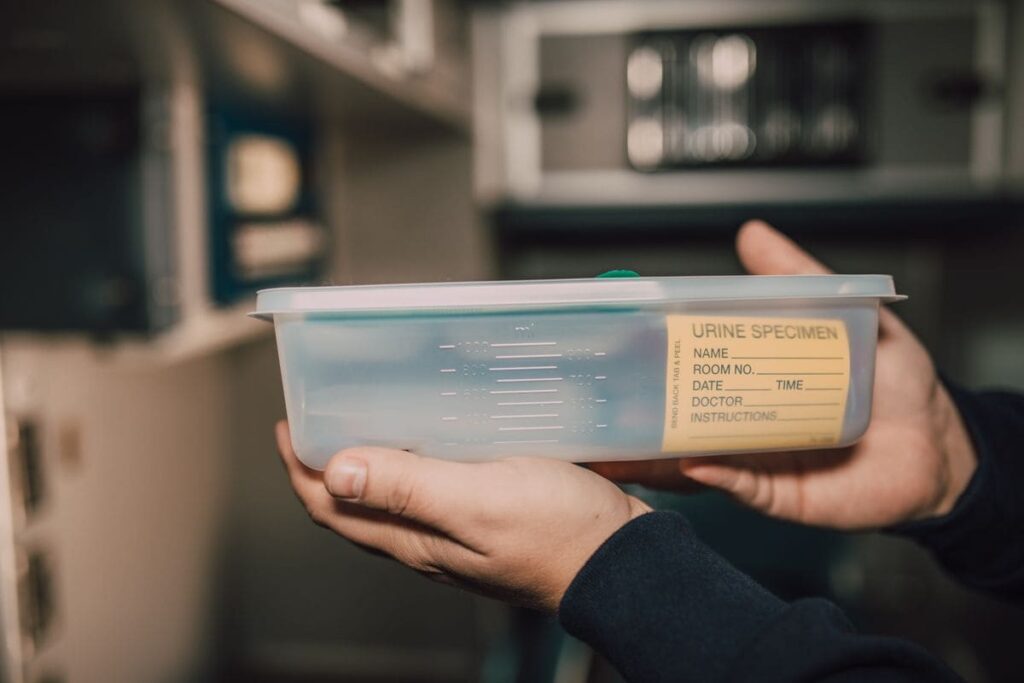
Many STIs have no symptoms, so a screen at the start is a sensible baseline. It usually means a blood test for syphilis, a urine sample and sometimes throat or rectal swabs, depending on the sex you have.
Pregnancy test: for planning, not exclusion
PrEP can be used during pregnancy and breastfeeding. A pregnancy test, where relevant, simply helps the doctor plan your care and follow-up.
What your results can change
Most people start PrEP with no changes at all. But it helps to know what different results mean, so nothing comes as a surprise.
Results and what happens next
| Result | What usually happens |
|---|---|
| HIV negative | PrEP can start |
| HIV reactive | Confirmatory test; HIV treatment, not PrEP |
| Kidney function normal | PrEP can start; recheck at follow-up |
| Kidney function reduced | Doctor reviews options and timing |
| Hepatitis B positive | Daily PrEP only, with monitoring |
| STI found | Treatment or referral; PrEP can usually continue |
A doctor will assess your situation and explain every result before you leave with pills.
Starting PrEP checklist
A little preparation makes the first visit smooth. Use this starting PrEP checklist before you come in.
- Note your last condomless sex. The date matters for choosing the right HIV test.
- Think about the past month. Mention any fever, rash, sore throat or flu-like illness.
- List your medicines and supplements. Include anything for blood pressure, pain or bodybuilding.
- Check your hepatitis B vaccine history. A vaccination record helps if you have one.
- Know how long you are staying. This shapes how much PrEP you take home and when to retest.
- Decide what kind of PrEP suits you. Daily or 2-1-1, which the doctor can talk through with you.
You do not usually need to fast for these blood tests. Drink water as normal, and eat before you come if you feel faint with needles.
Once you start, the PrEP planner shows real dates for when protection builds up. Our guide on how long PrEP takes to work explains the 7-day and 21-day rules.
Follow-up every three months
The start-up tests are not a one-off. While you take PrEP, you come back about every three months for:
- A fresh HIV test before each new supply
- A kidney check, at intervals your doctor advises
- An STI screen, especially with new partners
- A chat about how PrEP fits your life and any side effects
These visits keep PrEP safe and effective over time. They are also a good moment to switch between daily and on-demand use if your plans change.

Getting your PrEP tests in Pattaya
Start-up tests and the first prescription can be arranged together, so you do not need separate trips across Pattaya, Jomtien or Naklua. If you live here, follow-up visits fit easily around work. If you are visiting, we plan your tests around the length of your stay. Our page on getting PrEP in Pattaya walks through the visit step by step.
The total cost depends on which tests you need and whether an STI screen is added. See PrEP prices and what affects them before you book.
Frequently asked questions
Do I need to fast before PrEP blood tests?
No, fasting is not usually needed for the standard PrEP blood work. Eat and drink normally unless a doctor asks otherwise.
Can I start PrEP before all my results are back?
Sometimes. A doctor may start PrEP once the HIV result is negative, with kidney and hepatitis B results reviewed as soon as they arrive.
Can I take PrEP if I have hepatitis B?
Often yes, but only as daily PrEP with extra monitoring. On-demand 2-1-1 is not suitable, and stopping must be planned with a doctor.
Why do I need an STI test if PrEP is for HIV?
PrEP does not protect against other STIs, and many have no symptoms. A screen at the start gives you a clear baseline and early treatment if needed.
How often are tests repeated on PrEP?
About every three months. Each visit includes an HIV test, with kidney and STI checks as advised.
Ready to get your start-up tests done? Message us on LINE or WhatsApp and tell us when you would like to come in. You can also check the answers to common PrEP questions first.