PEP or PrEP comes down to one question: has the possible exposure already happened? If you had condomless sex or another HIV risk in the last 72 hours and weren't protected, you need PEP now; if you want protection set up before future sex, you need PrEP.
They sound alike and use related medicines, but they do different jobs. This guide helps you decide quickly, clears up the most common misunderstanding, and explains how to move from one to the other.
Decide in a minute: PEP or PrEP?
Answer these three questions in order. Stop at the first "yes".
- Did a possible exposure happen in the last 72 hours, and you weren't already protected by PrEP? You need PEP, today. Don't wait to see if you feel unwell.
- Are you on PrEP but missed several doses before that sex? Get medical advice straight away, because you may need PEP.
- Do you expect to have sex where HIV could be a risk in the coming weeks or months? PrEP is the right tool. Start with an HIV test and a short consultation.
If you may have been exposed in the last 72 hours, you need PEP, not PrEP. Our sister clinic HIV PEP Pattaya can help with an urgent PEP assessment.
If the exposure was more than 72 hours ago
After 72 hours, PEP is generally no longer offered, but that doesn't mean there's nothing to do. Speak to a doctor about when to have an HIV test so the result is reliable, and use condoms in the meantime.
Once you know your status, it's a good moment to think about PrEP for the future. Our guide to HIV testing in Pattaya explains test types and timing.
The big myth: "I'll just take PrEP after sex"
This is the most common mix-up, and it matters. PrEP is designed to be in your body before HIV arrives, so starting it the morning after does not work as emergency protection.
Why PrEP after exposure isn't enough
PEP is a full treatment course, usually three HIV medicines taken for 28 days. Standard PrEP contains two medicines, and a few pills after the event are not a tested way to stop an infection that may already be starting.
Daily PrEP also needs time to build up: about 7 days for anal sex and about 21 days for vaginal or front-hole sex. Our guide to how long PrEP takes to work explains why.
What about leftover PrEP pills?
If you have some PrEP at home, don't use it as a stand-in for PEP. Contact a doctor, explain what happened and when, and let them decide on the right treatment.
Bring the pack with you if you can. The doctor will check what it contains, ask about the type of sex and the timing, and tell you whether a full PEP course is needed.
PEP vs PrEP for HIV: side by side
According to HIV.gov's guide to post-exposure prophylaxis, PEP must start within 72 hours of a possible exposure, ideally within 24 hours, and is taken every day for 28 days. It is meant for emergencies, not for regular use.
Key differences between PEP and PrEP
| PEP | PrEP | |
|---|---|---|
| When you start | After a possible exposure | Before any exposure |
| Deadline | Within 72 hours | None, plan ahead |
| How long | 28 days, then stop | As long as you need it |
| Schedule | Daily for the course | Daily, or 2-1-1 for anal sex |
| Check-ups | Tests after the course | HIV test every 3 months |
Both work best when every dose is taken. Neither protects against other STIs, such as chlamydia, gonorrhoea or syphilis.
PEP vs PrEP drugs and names
PrEP pills combine tenofovir and emtricitabine, and you may know them by brand names such as Truvada or a Thai generic. Truvada is a PrEP medicine, though its ingredients can also form part of a PEP course. Our guide to PrEP brands in Thailand explains the options.
PEP and PrEP price: what you pay for
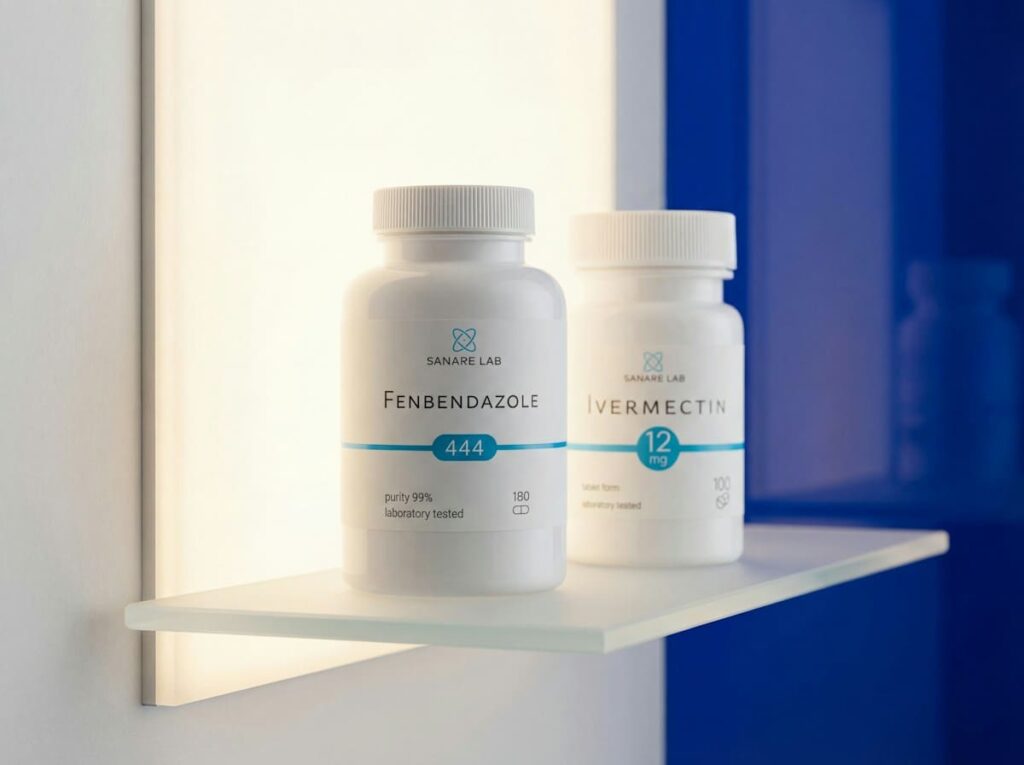
The costs work differently. PEP is a one-off course plus follow-up tests, paid when an emergency happens. PrEP is an ongoing cost: a regular supply of pills and a check-up every 3 months.
For people with repeated risks, planned PrEP often ends up simpler, and less stressful, than repeated rushes for PEP. A doctor can talk you through what fits your budget and your life.
Switching from PEP to PrEP
Many people first come across PrEP after needing PEP. HIV.gov notes that people who may be exposed again might want to move on to PrEP, and that's often a sensible next step.
Three common switching situations
- You've just finished PEP and expect further risk. Many people can start PrEP straight after the last PEP dose, once an HIV test confirms they are negative. A doctor will plan the timing so there's no gap.
- You were on PrEP, missed doses and needed PEP. After the PEP course and a negative test, you can usually restart PrEP. This is a good time to find a routine that works.
- You've needed PEP more than once. That's a clear sign PrEP may suit you better, because the protection is already in place before sex.
Before starting PrEP, you'll need the standard start-up tests, including HIV, kidney function and hepatitis B.

Already on PrEP? When you might still need PEP
If you take daily PrEP regularly, you usually don't need PEP after sex. But if you had stopped, had only just started, or missed several pills before sex, speak to a doctor within 72 hours.
Our guides to what to do after a missed PrEP dose and how 2-1-1 on-demand PrEP works cover the timing rules. If drinking makes doses easy to forget, see PrEP and alcohol.
PrEP in Pattaya: planning ahead
If PrEP is the right choice for you, a short visit is all it takes to get started in Pattaya, Jomtien or Naklua. You'll have an HIV test, the start-up checks and a doctor's advice on daily or on-demand PrEP.

Learn the basics in what PrEP is and how it works, then read about getting PrEP in Pattaya and our PrEP prices.
Not sure whether you need PEP or PrEP? Message us on LINE or WhatsApp with what happened and when, and a doctor will assess your situation.
Frequently asked questions
Is PEP the same as PrEP?
No. PEP is an emergency course started within 72 hours after a possible exposure and taken for 28 days. PrEP is taken before exposure, for as long as you need protection.
Can I take PrEP instead of PEP?
Not after an exposure. PrEP has to be in your body beforehand, so if you weren't already protected, you need PEP within 72 hours.
Which is more effective, PEP or PrEP?
Both are very effective when used correctly, but for different situations. PrEP gives steady protection in advance, while PEP depends on starting fast and finishing all 28 days.
Can I go straight from PEP to PrEP?
Often, yes. After a negative HIV test at the end of PEP, many people start PrEP straight away. A doctor will confirm the timing for you.
Do I need PEP if I'm on PrEP?
Not usually, if you take PrEP as prescribed. If you missed several doses before sex, contact a doctor within 72 hours to check whether you need PEP.